What role does custom rim design play in high‑end Ceramic Tableware sales?
Earthenware work shows a remarkable practice variety with a lengthy record, stretching back myriad of periods. From ancient containers to up-to-date presentations, the material offers unequalled possibilities for creative expression. Artisans manipulate diverse techniques – including molding, wheel manipulating, and advanced firing processes – to shape humble soil into aesthetic three-dimensional works. The permanence of fired stoneware also contributes to its status as a truly memorable part of human society.
Exploring Earthenware Marker Layouts and Ways
The sector of ceramic plaque design offers a wide array of imaginative possibilities. Creators often apply a integration of ancestral and innovative techniques to develop visually striking pieces. These can extend from simple, sculpted reliefs to complex, multi-layered layouts. Frequently used methods include template molding, hand building, glaze application – which can involve several approaches like initial glaze painting, overglaze decoration, and scratched design where designs are revealed by scraping a layer of glaze. Enhanced scrutiny into surface treatments such as raku firing and lustreware can lead to truly uncommon and specialized clay markers.
- Form Casting - Producing pieces using a mold
- Hand Building - Precisely forming the mud
- Enameling - Spreading the exterior with a glass-like finish
- Carved drawing - Showing designs by abrading coatings
Fascinating Experiences: Stoneware Art Presentations
The developing landscape of imagination presents exciting contemporary avenues for participants, and ceramic art installations are at the forefront of this progression. These aren't just static objects; they are crafted to envelop the audience member in a sensory setting. Imagine stepping into a forest of towering, finished ceramic trees, or navigating a web of delicate ceramic vessels. Many artisans are now incorporating music, luminescence, and even odor to enhance the sensation of their work. Reflect on the power of a room filled with hundreds of uniquely ceramic artifacts, each telling a chronicle. Often, such installations analyze themes of environment, heritage, and the individual.
- These particular installations blur the divisions between statue and environment.
- Witnessing a ceramic art installation can be a deeply transformative journey.
- Craftsmen are exploring the edges of what is doable with clay.
That Grace of the Clay Pot: Use and Structure
The earthenware vase represents a distinctive conjunction of convenience and aesthetic appeal. Historically, these urns served a simple purpose in preserving liquids, but their growth has transformed them into highly valued works of craftsmanship. Each creation showcases the mastery of the potter, demonstrating how design can be as noteworthy as application. The precise shaping, the individual glazes, and the aggregate presence of a finely-produced jar can raise a space, offering both elegance and a modest reminder of the maker’s hand.
Current Earthenware Figure : Broadening Limits
Present-day stoneware figure represents a fascinating development from classic practices. Makers are vigorously challenging with cutting-edge techniques, questioning the boundaries between artwork and distinct aesthetic categories. From immense installations to ornate miniature pieces, these works probe themes of persona while together reshaping the core of what porcelain can become. The outcome is a vigorous field of originative expression.
Terracotta Tablet: Conserving Record in Earthenware
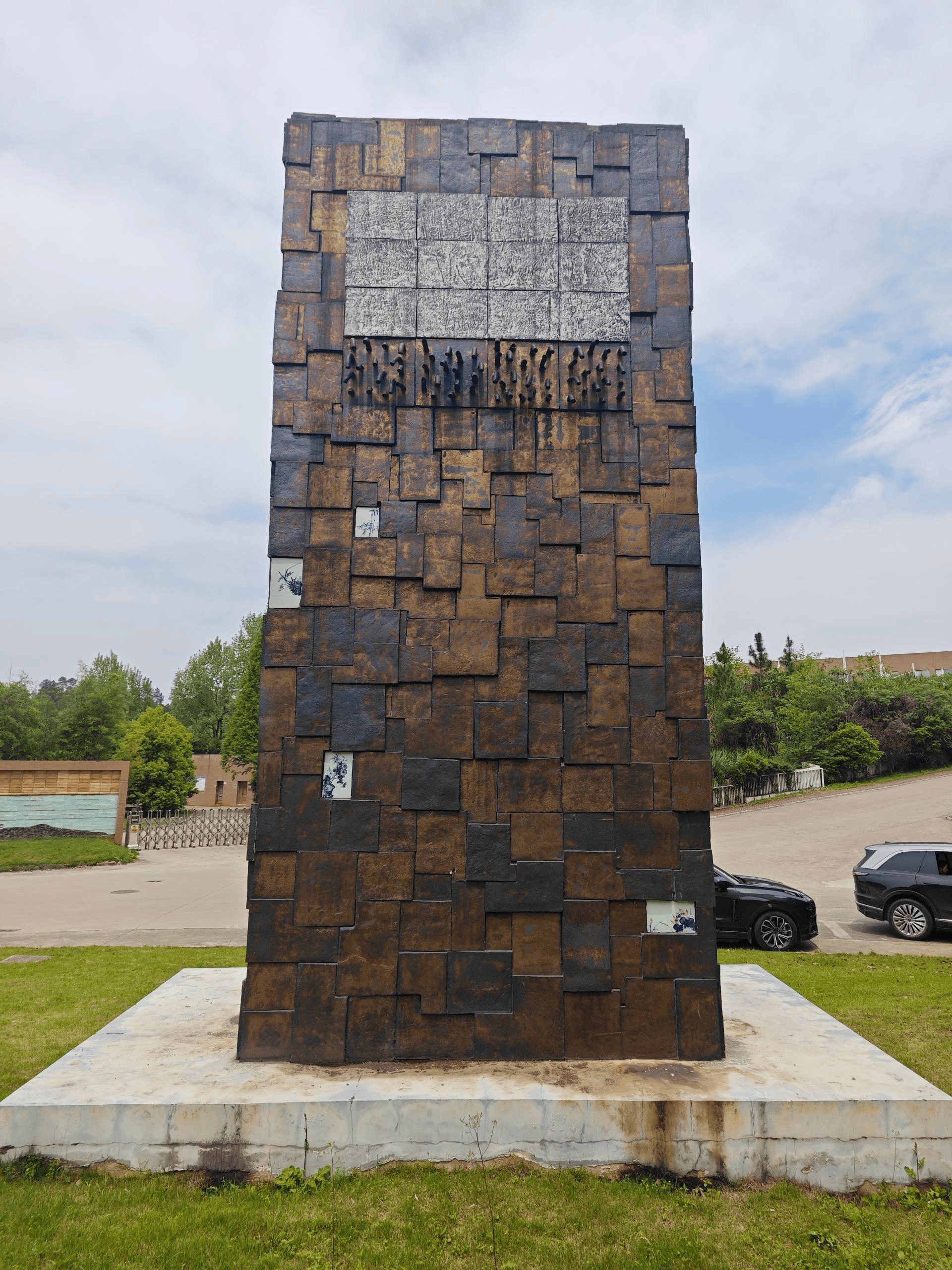
Ceramic plaques offer a unique method for preserving significant events and individuals. Unlike traditional metal or stone markers, these tough pieces of production are formed from hardened clay, creating a material link to the olden times. Regularly, they present intricate models or vividly colored imagery, portraying stories that might otherwise be neglected. A technique, stemming from ancient tribes, provides a stunning and enduring way to commemorate Ceramic Cup Set our collective record.
- The mentioned can be set in common spaces.
- Several are now deemed historical wonders.
Terracotta Art Showcases: Changing Areas
Brick art installations are surfacing a influential medium for creators to revise public and private places. These immersive designs frequently involve large-scale clay models that involve viewers, modifying their awareness of the fabricated environment. By utilizing diverse systems like artisanal crafting and intricate firing tactics, ceramic artists construct truly distinctive experiences, breaking down the separations between work and setting. The outcome is often a touching shift that raises the stylistic quality of the space and develops dialogue.
Commencement Potter's Wheel to Phenomenon: The Art of the Terracotta Pot
The journey of a terracotta pot from a simple lump of loam to a complete work of mastery is a testament to human skill. Previously, the process begins with the potter’s rotating tool, where the knowledgeable artisan forms the rotary mud into a cylindrical contour. This foundational step demands cleverness and a sensitive eye, followed by a delicate setting period. Once raw-fired, the container is ready for beautification, which may embrace applying intricate sketches, carving detailed imagery, or utilizing a multitude of finishes. The terminal processing process then alters the item into a durable and attractive vessel, a tangible embodiment of the craftsman's imagination.
Carving with Earthenware: A Manual to Stoneware Project
Delving the realm of earthenware expression begins with mastering the basics of shaping with ceramic material. That means includes systematically building and reducing matter to fashion three-dimensional creations. Regardless of you're a starter or a accomplished practitioner, experimenting with different kinds of ceramic material – including porcelain – will aid you reveal your singular method. At last, porcelain shaping is a worthwhile quest that merges skilled talent with inventive demonstration.