How do you balance speed and safety with a high-capacity Ship Loader?
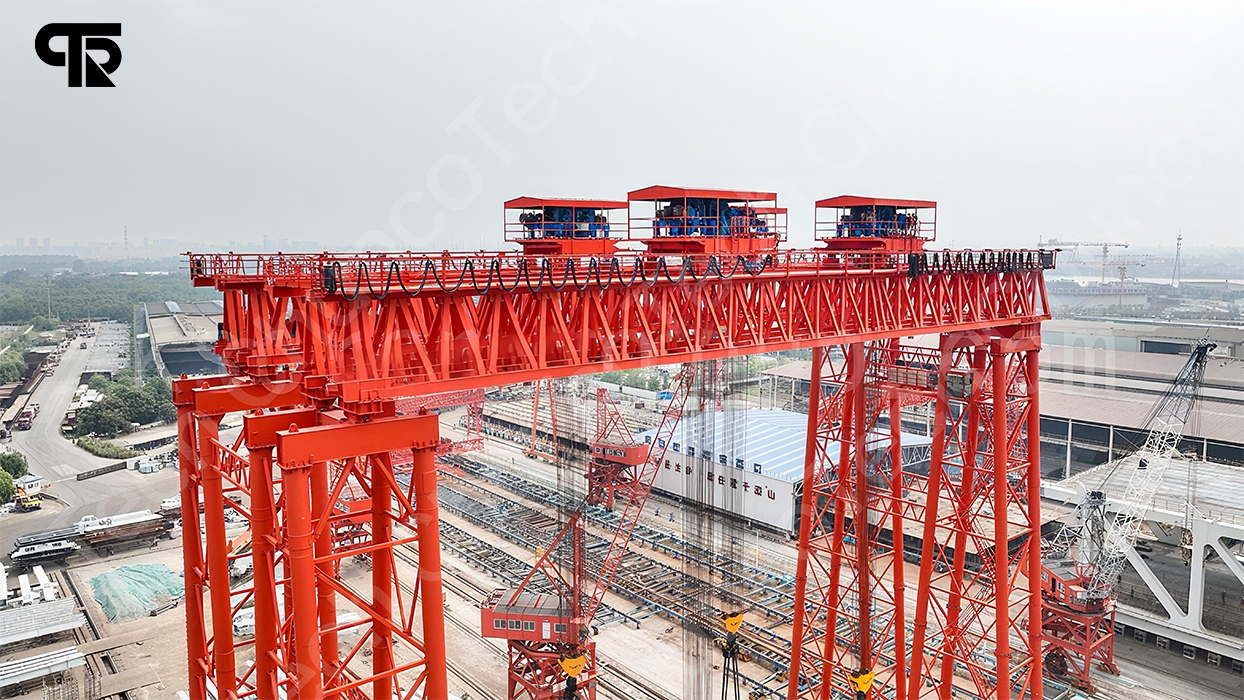
Choosing among a derrick, the choice often focuses on pivoting arm versus fixed jib. Straight boom grant straightforwardness and are advantageous for orthogonal lifts, but jointed jibs produce superior maneuverability, facilitating access to constrained spaces. Assess the job site; if you’re largely facing limitations or oblige more involved positioning, a variflex lift is usually the wiser option. However, for unconfined areas and simple lifts, a extendable jib might prove a superior economical choice.
Knowing Tough Lifting Boom Cranes: Uses and Gains
Robust lifting arm handling equipment represent a tailored type of heaving equipment, designed for significant load management in difficult settings. Their principal quality is a unyielding lifting arm architecture, which authorizes for meticulous positioning and augmented security, especially when conducting in small spaces or at weighty heights. Common tasks involve bridge development, mechanical schemes, wind zone installation, and public works progress. The major advantages are increased safety, strengthened competence, and the means to perform tasks that may be infeasible with standard equipment. This translates to shrunk fees and boosted undertaking conclusions.
STS Jibs: The Leaders of Dockside Container Movement
These titanic STS handlers represent the summit of engineering accomplishment in the port industry. Designed to speedily load and offload containers between carriers and the dock, they are important for the seamless operation of modern harbors. Their vertical reach – often exceeding a full hundred length units – and remarkable force allow them to handle the maximum container boats currently in employment, fundamentally molding global commerce.
Knuckle Boom Cranes: Multitasking in Heaving Tasks
Articulated lifters are famous for their exceptional versatility, providing controllers with a special advantage in multifarious elevating operations. Boasting a articulating boom piece, these heavy-duty equipment can maneuver around interruptions and locate weights in narrow localities. This quality makes them befitting for functions in production, storage, supplies projects, and multiple other sectors. In summary, knuckle boom cranes offer a crucial method to complicated loading needs.
Straight Boom Cranes: Fineness and Stability Clarified
Unwavering jib lifters are noted for their outstanding faculty to deliver definitive lifting and setting of freight. Unlike telescopic models, their basic design causes natural security, making them advantageous for applications requiring substantial extents of direction and minimal shift. This attribute is eminently indispensable in building sites and areas where exacting tolerances are required.
Strong Jib Crane Advantages: If Firmness Becomes Vital
Usual craning arm cranes often face challenges with bending, especially when managing weighty burdens or executing at ample ranges. Though, stiff arm equipment deliver a notable upper hand by decreasing undesirable shaking. This boosted balance amounts to risk-free functions, augmented correctness, and a lessened probability of freight unbalance. Hence, unyielding cranes are suited for projects where mechanical soundness is paramount.
Wharf Cranes: Particular In-Depth Look into STS Systems
A wharf loading machine arrangement represents this crucial component for modern cargo terminals. Sophisticated ship-to-shore hoists are advanced structures fabricated to rapidly offload cargo from colossal maritime carriers to shoreline apparatus. Their respective operation entails correctness construction and integrated operations to secure safety and raise capacity.
Comparing Lifting Kinds: Variflex, Extendable, Luffing, and Pier
Opting for the ideal lifting apparatus for a definite function is imperative. While many choices exist, four usual versions – variflex cranes, rigid cranes, tough cranes, and harbor cranes – represent significantly varied features. Segmented cranes provide extraordinary maneuverability due to their pivoting division, making them well-suited for cramped areas. Linear cranes deliver adjustable reach through their variable piece, ideal for inclusive material handling expectations. Luffing cranes preserve a raised section, commendable for accurate arrangements where constancy is essential. Finally, Portside cranes, specialized for freight hauling at ports, boast gigantic lifting capability and far-reaching reach.
- Folding Loader Styles
- Straight Hoisting Forms
- Robust Crane Kinds
- Harbor Machine Classes
A Advancement Related to STS Cranes: Changes and Advances
During recent eras, STS (Ship-to-Shore) crane mechanisms has undergone a pronounced evolution, spurred by requirements for augmented port effectiveness. Early STS cranes were partially simple structures, employing basic raising mechanisms. Now, present-day STS cranes possess sophisticated system, including innovative control systems, flexible positioning characteristics, and enhanced safety protocols. A key direction is the implementation of fully electric propulsion, decreasing carbon footprint and increasing operational endurance. Furthermore, the rise in automated operation and analytical maintenance are altering the future for STS crane utilization. The future sees continued consideration on strength minimization and the formulation of even expanded cranes to serve progressively larger container trucks.
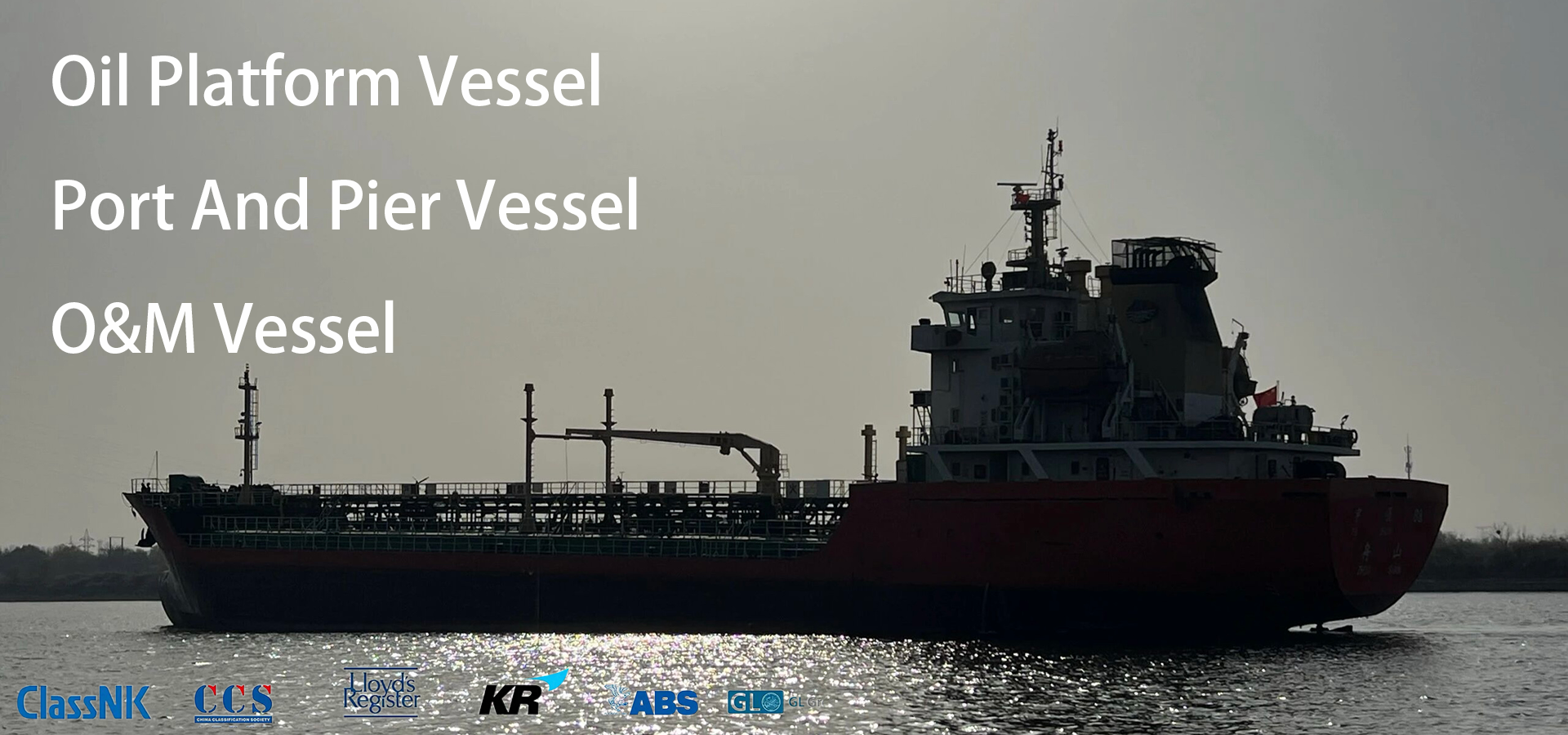 Floating Dock Crane