How can Magic Cube Ceramics Travel Cup be leveraged in influencer campaigns?
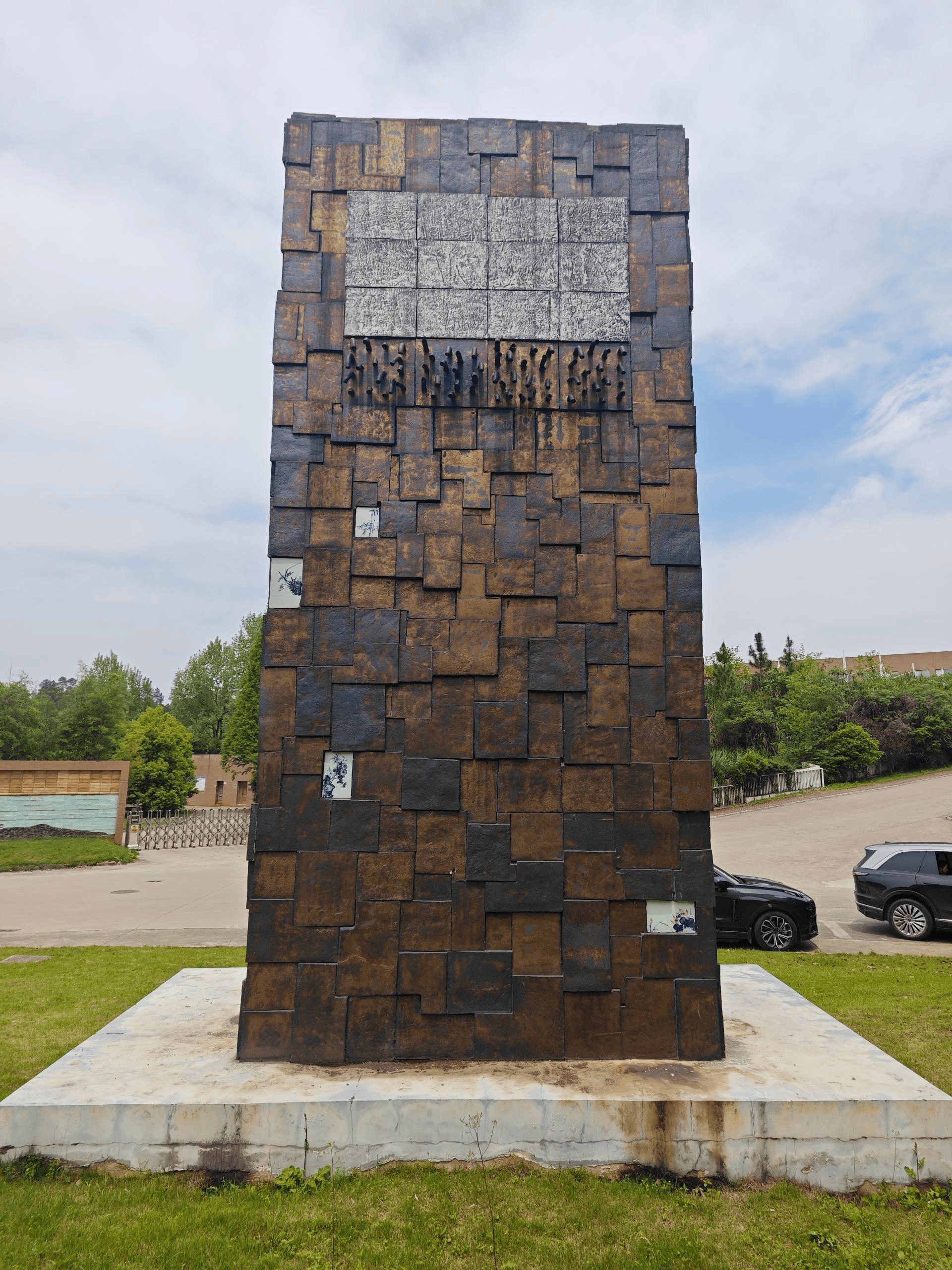
Clay model constitutes a impressive work type with a lengthy record, stretching back numerous of decades. From ancient canisters to contemporary placements, the stuff offers unsurpassed possibilities for creative presentation. Artists work with several techniques – including constructing, wheel throwing, and sophisticated firing processes – to convert humble soil into aesthetic three-dimensional productions. The durability of fired clay also contributes to its status as a truly enduring part of human civilization.
Studying Clay Board Designs and Methods
The field of ceramic panel design offers a broad array of inventive possibilities. Artisans often exercise a integration of ancestral and up-to-date techniques to develop visually bold pieces. These can move from simple, shaped reliefs to complex, multi-layered compositions. Common methods include mold making, hand shaping, varnishing – which can involve different methods like underglaze painting, post-firing embellishment, and engraved motif where designs are disclosed by taking away a layer of coating. Further exploration into finishing techniques such as raku firing and lustreware can produce truly one-of-a-kind and exclusive porcelain panels.
- Mold Making - Creating pieces using a model
- Hand Shaping - Meticulously shaping the dirt
- Glazing - Smearing the shell with a shiny finish
- Scratched decoration - Revealing designs by excavating overlays
Engaging Experiences: Pottery Art Arrangements
The expanding landscape of art presents exciting modern avenues for observers, and ceramic art installations are at the leading edge of this progression. These aren't just static objects; they are designed to envelop the audience member in a sensory setting. Imagine walking through a forest of towering, decorated ceramic trees, or navigating a network of sensitive ceramic vessels. Many designers are now incorporating sound, radiance, and even scent to enhance the mood of their work. Picture the power of a room filled with hundreds of expertly ceramic works, each telling a anecdote. Usually, such installations explore themes of ecosystem, memory, and mankind.
- These installations blur the frontiers between art and construction.
- Witnessing a ceramic art installation can be a deeply profound journey.
- Artists are redefining the limits of what is attainable with clay.
Each Charm of the Clay Vessel: Application and Shape
The stoneware vessel represents a lovely amalgamation of utility and creative appeal. Historically, these pots served a basic function in keeping liquids, but their growth has transformed them into highly valued works of craftsmanship. Each item showcases the ability of the creator, demonstrating how shape can be as essential as operation. The conscientious shaping, the special glazes, and the full presence of a artfully-produced vase can transform a space, offering both appeal and a gentle reminder of the artistic hand.
Current Porcelain Model : Broadening Limits
Current stoneware figure represents a fascinating transformation from traditional practices. Creators are boldly exploring with fresh tactics, merging the separations between sculpture and other creative mediums. From expansive installations to fine miniature pieces, those works study themes of individuality while in unison remodeling the fundamental of what porcelain can manifest. The result is a vigorous sphere of expressive articulation.
Terracotta Panel: Conserving Chronicle in Porcelain
Stoneware plaques offer a special method for commemorating significant events and people. Unlike traditional metal or stone markers, these resilient pieces of craftsmanship are formed from hardened clay, creating a tangible link to the olden times. Traditionally, they exhibit intricate etchings or artistically decorated imagery, illustrating stories that might otherwise be lost. The technique, going back to ancient folk, provides a captivating and enduring Jingdezhen Ceramics way to commemorate our collective record.
- The described can be located in shared spaces.
- Many are now recognized historical heirlooms.
Clay Art Installations: Shifting Venues
Pottery art installations are flourishing a strong medium for artisans to remodel public and private venues. These immersive projects frequently involve extensive clay forms that attract viewers, transforming their understanding of the engineered environment. By adopting diverse techniques like hand fabrication and intricate firing tactics, ceramic artists construct truly distinctive experiences, erasing the divisions between form and structure. The effectiveness is often a emotional transformation that improves the aesthetic quality of the site and encourages communication.
Beginning Spindle to Marvel: The Method of the Ceramic Jar
The journey of a ceramic urn from a simple lump of terracotta to a elegant work of composition is a testament to human creativity. Originally, the process starts with the potter’s rotating tool, where the skilled artisan crafts the rotary mud into a cylindrical contour. This foundational process demands clearness and a disciplined eye, followed by a delicate firming period. Once rough-fired, the vessel is ready for ornamentation, which may comprise painting intricate arrangements, inscribing detailed scenes, or incorporating a collection of surfaces. The final curing process then renders the object into a durable and eye-catching pot, a tangible manifestation of the artist's dedication.
Crafting with Porcelain: A Tutorial to Pottery Work
Engaging the area of brick art begins with knowing the principles of forming with terracotta. A process requires methodically assembling and carving elements to make three-dimensional models. If you're a starter or a master artist, experimenting with various kinds of ceramic material – including porcelain – will enable you find your singular method. Eventually, earthenware crafting is a gratifying exploration that blends artistic expertise with imaginative interpretation.